Chicken Road Game Prize Table and Icons Overview for United Kingdom Gamblers
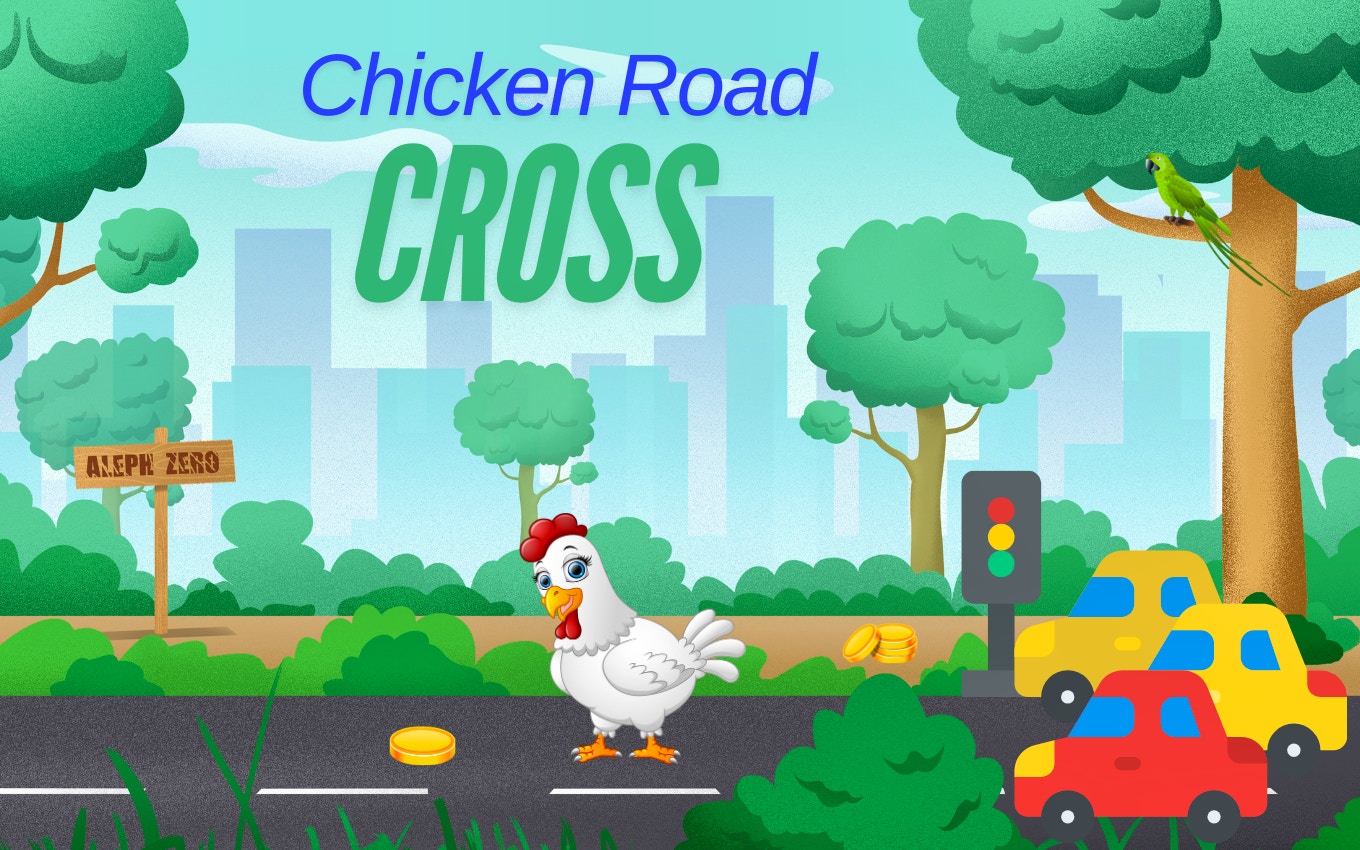
When we launch Chicken Road, a bright farmyard scene creates a lighthearted mood. The reels sit against sweeping green fields, rustic wooden fences, and a bright blue sky dotted with fluffy clouds. This slot doesn’t rely on complex narratives; it leans into a light-hearted agricultural theme that feels familiar and easy. The symbols enhance that theme with clear, bright artwork, from round hens and shiny eggs to playing card icons crafted like patched burlap. The audio complements the visual charm with a bouncy banjo melody, punctuated by chicken clucks and farm atmosphere. Winning combinations activate joyful jingles that stay grating. For UK players, the theme allows us rapidly spot what counts on the grid. The visual hierarchy naturally guides our eyes to the most high-paying symbols, and the relaxed pacing makes it ideal for long sessions. We’ll go over precisely how the reels, paylines, symbols and features operate, so you can make educated decisions when you get ready to play.
Understanding the Reels, Rows, and Payline Structure
Chicken Road uses a traditional five-reel, three-row grid that most UK players will identify immediately. This common configuration generates fifteen apparent symbol positions on every spin and preserves the number of potential outcomes engaging without becoming too much. Underneath that well-known layout, however, the way winning combinations occur requires careful attention. Instead of a fixed number of paylines that we must manually activate, Chicken Road usually works on a ways-to-win mechanic. In this system, matching symbols need to land on adjacent reels starting from the leftmost reel. Their position on the row is irrelevant as long as they appear on consecutive reels. This means we are not worried about whether a line crosses the centre row or zigzags across specific positions. The number of ways can vary, and we often see configurations presenting 243, 720, or even 1,024 ways to win. The exact number is based on the version we are playing, and it is always presented clearly on the game’s information panel.
The ways-to-win structure straight impacts bankroll management because the total bet encompasses all possible combinations. With fixed paylines we could select how many to activate, but here every spin automatically covers all ways, so we never miss a winning line due to an incorrect set-up. The bet selection usually starts at a low £0.10 or £0.20 and climbs through preset values up to £100 or more, depending on the casino. This low entry point lets us explore the mechanics with minimal risk. The trade-off is that the base bet covers everything, so we should verify the total per spin carefully before pressing play. Some Chicken Road variants also include an extra row or expanding reel set during bonus rounds, temporarily increasing the number of ways and leading to larger clusters of wins. This dynamic element adds an extra layer of excitement when bonuses trigger. Paying attention to how the grid shifts helps us comprehend the real potential of a session and adjust our stake accordingly.
High-Paying and Lower-Value Symbols on the Paytable
The paytable is the key reference point in Chicken Road, and we strongly suggest opening it before placing a single wager. Opened by a small “i” or menu button, it displays every symbol grouped by value. The least valuable icons are the standard royal figures—10, J, Q, K, and A—displayed in a rustic twist, often etched onto wooden blocks or sewn onto feed sacks. These symbols appear frequently and pay out modest amounts for three, four, or five of a kind. Their primary role is to keep the base game ticking over with smaller returns while we look for the more rewarding farm-themed symbols to line up. Don’t overlook these low-payers outright, because a solid series of hits on the A or K can sustain your balance longer than you might think. In addition to the standard paying symbols, two unique symbols—the wild and scatter—manage the game’s most critical mechanics, and we explore them in detail in the next section.
The High-Value Farm Symbols
Moving up the value ladder, the premium symbols are where Chicken Road’s personality stands out. Typical instances include a rooster mid-crow, a plump speckled hen, a nest filled with eggs, and a rustic weather vane, though the specific appearances can differ between game versions. These icons hold significantly higher payout multipliers than the royal symbols. Getting five of the top-paying hen symbol, for instance, might give us a prize worth 10x to 20x our total stake, based on the paytable’s generosity. This is a big increase from the low-payers. The visual design of these symbols often features small animated details when they make up a win. Feathers may wave, or the weather vane might rotate. These touches increase involvement but do not affect the payout. The key lesson for UK players is to learn which premium symbol tops the chart, because during bonus features with multipliers or expanding wilds that symbol can turn a modest spin into a memorable outcome.
Player Return , Volatility, and Stake Range Explained
Every Chicken Road edition has a theoretical return to player figure, or RTP, which shows how much of the total wagered money the game pays back over many millions of spins. For UK-facing editions, this figure usually falls between 94% and 96.5%, though providers can opt for different configurations. We always verify the specific RTP in the game’s information panel before investing real funds, because a higher figure signals a smaller house edge over time, even if it does not ensure short-term results. Volatility, or variance, is the other half of the mathematical makeup. Chicken Road commonly falls into the medium-to-high range, implying the base game tends to generate fewer consecutive wins, but when wins hit they are often more significant. The free spins round with multipliers enhances this character. We might encounter a run of dead spins, only for a single bonus trigger to regain losses and push the balance into profit. This behavior fits players at ease with swings, while the base game’s low-payers give some relief for those who prefer steadier hits. Understanding this contrast helps us establish appropriate stop-loss and session-time limits.
The bet range is an equally practical aspect. The minimum bet usually starts at a low £0.10 or £0.20 per spin, letting us explore the features with minimal risk. The maximum bet changes by casino, often capping at £100 but sometimes reaching £250 or more. Between these ends, the game provides a graduated range of preset amounts. We suggest matching the bet size to our bankroll so that we can cover 100 to 200 spins at our chosen stake, offering us a fair chance to hit the bonus feature at least once. If our balance cannot sustain that many spins, we decrease the stake. The maximum win potential is another value worth finding in the paytable. It is often stated as a multiple of the total bet, such as 5,000x or 10,000x, though the exact cap depends on the game maths. Achieving that ceiling almost always demands a blend of premium symbols, a high multiplier, and retriggered free spins.
Wild icons, Scatter icons, and Their specific Parts in Gameplay
The wild symbol in Chicken Road often manifests in more than one form, and its behaviour directly determines our session strategy. A standard wild stands in for missing symbols to complete winning combinations. Many modern versions also include expanding wilds that fill an entire reel when they land, creating a wave of new potential wins across multiple ways. Sticky wilds, by contrast, remain fixed in place for a set number of spins or during a free spins round, effectively working overtime to build combinations. Spotting which wild variant is active helps us adjust our expectations. A single expanding wild on the third reel during a high-volatility stretch can be the turning point of the entire game, so we pay close attention to its animation and sound cue. The wild sometimes carries its own payout when multiple wilds land on a payline, and its design—often a barn logo or rooster silhouette—stands out clearly from regular icons.
The scatter symbol, often a golden egg or barn icon, functions on a simpler but equally crucial principle. We only need a fixed number of scatters—typically three, four, or five—anywhere on the screen to trigger the bonus feature. More scatters often mean a larger starting award: three might grant ten free spins, while four could add a multiplier boost. The scatter’s payout in the base game is calculated as a multiple of the total bet, so even two scatters can deliver a small consolation prize. Because scatters do not rely on paylines, wilds cannot substitute for them, an important distinction. During bonus rounds, scatters may continue to appear and retrigger additional free spins, one of the most profitable mechanics to watch for. Understanding the scatter’s independence from wilds and paylines prevents confusion when we review a spin that looked like a near miss but was never actually possible to complete with a wild, keeping our expectations realistic.
Special Features, Free Games, and Multipliers
Spins and Multipliers
The free spins round is the centrepiece of Chicken Road’s bonus features and the place where the greatest wins build up. We start it by landing the needed number of scatter symbols during a base game spin. The game normally pauses with a short animation, and we obtain a straight award of free spins or a range of options. Some versions provide a gamble feature to risk free spins for more, though we can miss the bonus entirely. Once inside, the atmosphere usually shifts with more lively music and shining reel frames, and we do not subtract any credit from our balance. What enhances the round is the frequent presence of progressive multipliers or random modifiers. A multiplier may start at 1x and increase after every winning spin, with no upper limit. Some variants restart the multiplier on a non-winning spin, while others let it remain for the whole feature, creating tremendous tension. Other common modifiers include a roaming wild or the elimination of low-paying symbols so only premiums and wilds remain. We always consult the on-screen rules when the bonus triggers because the specific modifier can shift the optimal way to approach our stake.
Bonus Buy Option
In certain jurisdictions, Chicken Road offers a bonus buy feature that lets us avoid the wait for a natural scatter trigger. For a fixed multiple of the total bet, usually 50x to 100x, the game directly takes us into the free spins round. This option attracts players who favor direct high-volatility action, but it demands careful bankroll consideration. Spending 100x the stake upfront means we need a considerably larger return from the free spins just to break even. The presence of a bonus buy may also affect how often the base game delivers scatters, as the natural trigger frequency may be changed compared to versions without it. The official paytable always shows the exact cost and whether the bonus buy RTP deviates from the main game. We suggest checking that figure before committing, because a slightly lower RTP on bought bonuses can erode long-term value. We always check whether the bonus buy is available in our jurisdiction before arranging a session around it.

A Guide to Chicken Road Slot as a UK Player
We begin our initial session on Chicken Road by opening the game in demo mode if possible. This lets us absorb the layout, spin without pressure, and observe how the bonus round fires. Once ready, we switch to real play at a UK-licenced casino. The game screen shows all controls in a narrow bar across the bottom. The total bet display appears centrally, with arrows or a coin stack icon that opens the full bet menu. We utilize these to select a stake that matches our budget. The spin button is the largest element, and a second smaller button often activates autoplay. Autoplay allows us to set a number of spins to run automatically, with optional stop conditions such as a single win limit or an end-of-feature trigger. For UK players, responsible gambling tools are usually integrated directly into the interface, displaying session time and deposit limits, and we pay attention on these prompts throughout a session.
During a spin, the reels decelerate in sequence, and winning combinations are emphasized with animated frames and a continuous win tally. If a scatter combination lands, the bonus screen covers the reels immediately. In a free spins round, we typically tap to start the first spin, after which the sequence continues automatically. The gamble feature, if available, appears as a pop-up after any win and provides a double-or-nothing card colour guess. We can take or refuse it, but since it introduces risk with no strategic element, we employ it infrequently. Should we find a sticky wild or expanding reel, on-screen text momentarily explains the modifier. The paytable can be opened again mid-session to clarify symbol values or feature rules. Chicken Road is made for mobile and desktop play alike. The portrait orientation on a smartphone reorganizes the controls neatly under the reels without compromising legibility, and the mobile experience is as responsive as the desktop version. We can enjoy with the same confidence whether at home or on a commute.
Common Questions UK Players Pose About Chicken Road
Is it possible to impact the outcome of a spin with a skill-based choice?
Chicken Road functions on a random number generator that decides each spin’s outcome the moment we press the button. The symbols settle in an unpredictable sequence, and no decision we execute during the spin can alter the result. The only choices that affect our experience are the stake level and whether we employ optional features like the gamble option or bonus buy. Those choices shape our bankroll trajectory but never offer us an edge over the game maths. This matches with all regulated slots in the UK market, where RNGs are consistently tested for fairness. We always tell ourselves that every spin is independent, and a long losing run does not mean a win any more or less likely on the next press. We recommend setting a budget and sticking to it, regardless of short-term results. Viewing the game as entertainment with fixed odds maintains expectations realistic and helps us savor the experience without chasing losses.
Can we find a best time to play or a strategy to secure a bonus trigger?
No time of day, sequence of spins, or bet adjustment can trigger a scatter trigger in Chicken Road. The bonus round activates purely by chance whenever the required number of scatters appears. Approaches that suggest raising or lowering the stake in a pattern to prompt the feature have no basis in the game’s programming. The most reasonable approach we can take is to set a budget for a specific number of spins and to stop when we reach our limit, win or lose, regarding the bonus as a welcome surprise rather than a target. The free spins round activates when the random number generator creates the matching symbols, and no external factor can hurry that along. Betting more per spin does not boost the probability of triggering the feature; it only raises the potential payout when it appears. We hold this firmly in mind to avoid succumbing to the trap of chase betting, which can quickly deplete a bankroll.
Are the paytable values shown as cash amounts or multipliers?

This Chicken Road new online paytable shows symbol payouts in relation to the total bet or as coin values that update automatically when we adjust our stake. We never encounter static cash amounts because the paytable is directly tied to the bet selector. A five-of-a-kind win for the top symbol might appear as 20x, meaning we collect twenty times our total spin stake. If we increase the bet from £0.20 to £1.00, that same combination pays £20.00 instead of £4.00. The multiplier format helps to compare symbol values relative to each other, regardless of the stake we select. We always confirm that we grasp whether a displayed figure is a line multiplier or a total bet multiplier, because older slots sometimes express this differently. In Chicken Road, the total bet multiplier convention is the most common, and the information panel clarifies this if we are ever unsure.